Ming (@tslaming)

Ming @tslaming 2025-12-23T11:50:35.000Z

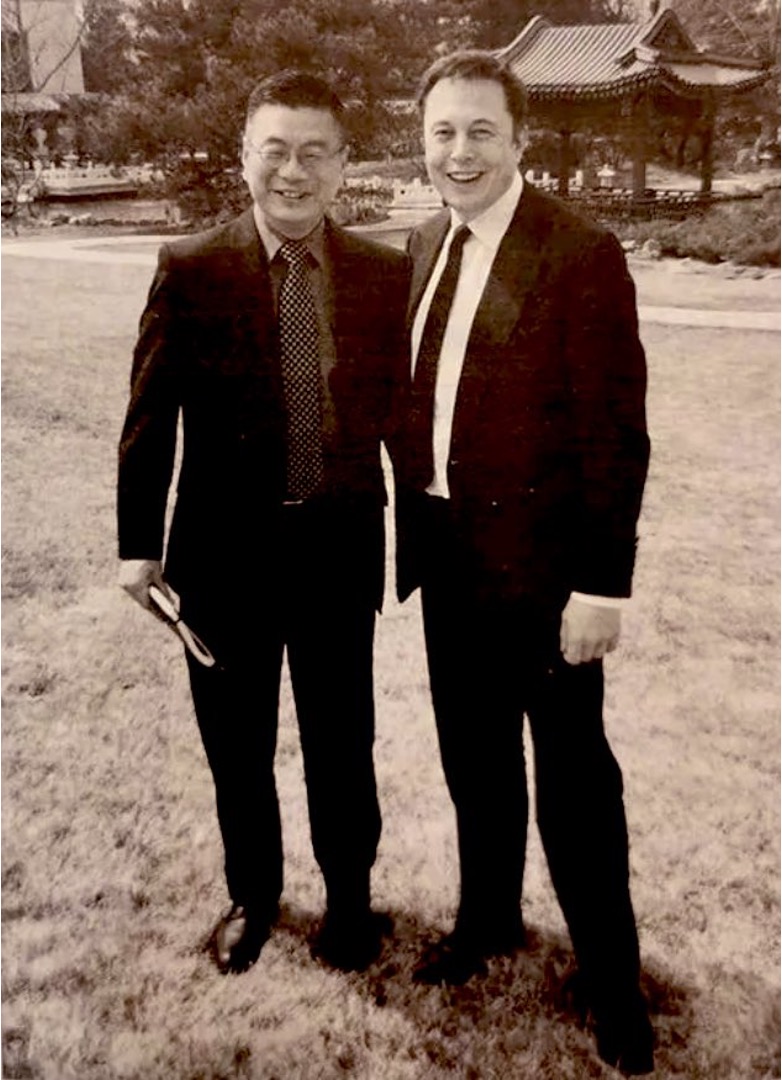
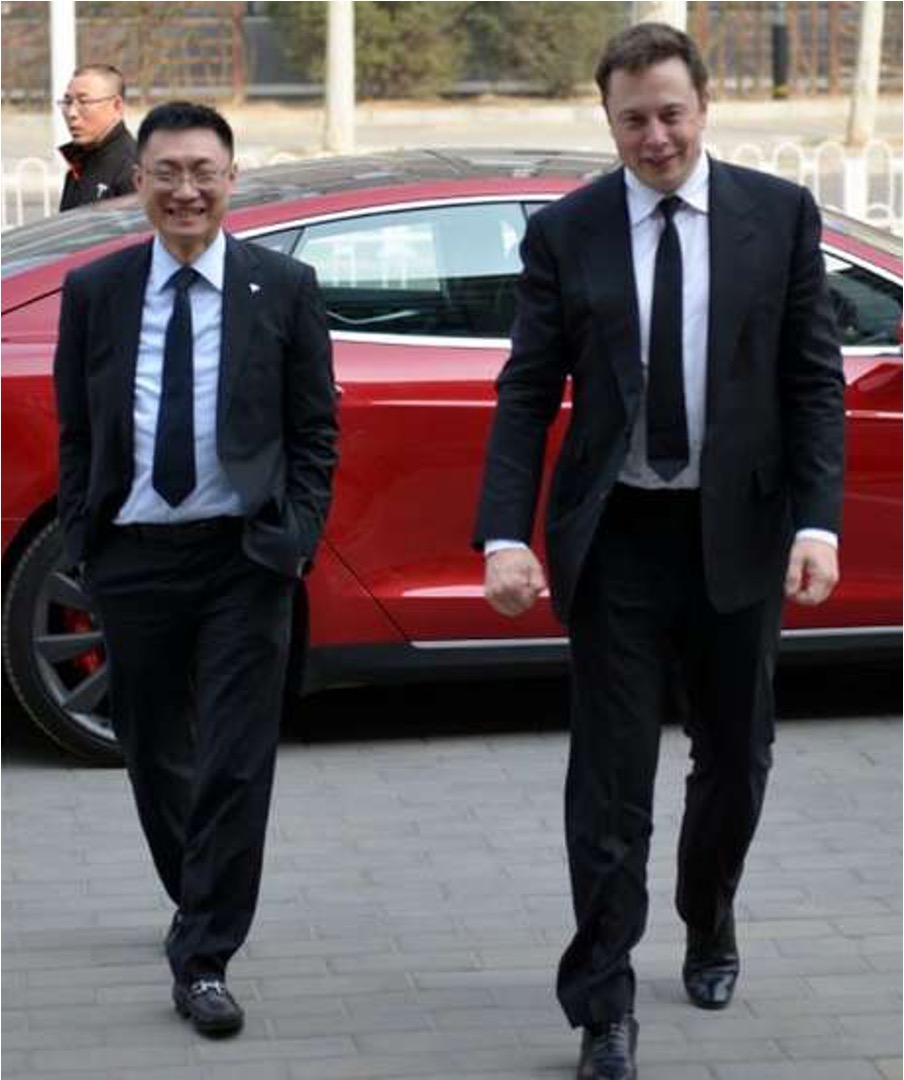
๐Ÿšจ A REMARKABLE STORY ABOUT ELON MUSKโ€™S SECRET GENERALS IN CHINA: THE TWO MEN WHO BUILT THE SHANGHAI MIRACLE ๐Ÿ† ๐ŸŒ‘ In 2018, Tesla had entered its darkest hour. In the United States, severe production crises and low yield rates had put Elon Musk on the hot seat. Wall Street magnates circled the company, eyeing it for short-selling, waiting for the inevitable collapse. ๐ŸŒ Across the Pacific, the situation was equally dire. In the massive Chinese marketโ€”which accounted for nearly half of global new energy vehicle salesโ€”Tesla was struggling to gain traction. Faced with dismal sales of only 120 cars a month, an enraged Musk even considered disbanding the entire Chinese team. ๐Ÿงฑ The market was notoriously difficult to crack. Because all Teslas were imported, the starting price of 499,000 yuan for the Model 3 deterred most consumers. To lower prices, domestic production was essential. However, the premise for foreign companies to produce cars in China was to establish a joint ventureโ€”a compromise the maverick Musk was unwilling to make. ๐Ÿ”ฎ Tesla needed a miracle in China. That miracle would require two distinct phases spearheaded by two very different men: Robin Ren, the diplomat who would unlock the forbidden door, and Tom Zhu, the commander who would build an empire behind it. PHASE ONE: THE DIPLOMAT AND THE BREAKTHROUGH ๐Ÿ•ต๏ธโ€โ™‚๏ธ Secretly, Musk began looking for a "China hand" to navigate the complex political landscape. Robin Ren (Ren Yuxiang), a fellow alumnus of the University of Pennsylvania, had long been on Musk's radar. Since 2012, Musk had repeatedly invited Ren to join Tesla, convinced he was the missing link. ๐ŸŽ“ Initially, Ren was surprised by the olive branch. He admitted he "knew almost nothing about the automotive industry" and found it hard to imagine that, 20 years after graduation, Musk would suddenly ask to have lunch. But Musk was persistent. As the 22nd International Physics Olympiad champion and Musk's former laboratory partner at UPenn, Ren was held in high regard by the CEO, who once noted that Ren was the only classmate whose physics was better than his own. ๐Ÿค Ren finally joined in May 2015 as Vice President of Tesla Asia Pacific. Musk was set on him not just for his intellect, but for his unique leverage: his identity as a native Shanghainese with deep government relations. ๐Ÿ›๏ธ He became the unsung hero of the Shanghai project. Under Ren's mediation, Musk began frequently meeting with high-ranking Chinese officials. In April 2017, Ren first articulated the crucial argument that a wholly-owned factory "benefits the upgrading of China's automotive industry," persuading officials that Tesla's technology could drive the local supply chain. With theories of technological independence and industrial chain driving effects, Ren slowly loosened the customary domestic joint venture model. โœˆ๏ธ By February 2018, the plan was ready. Ren flew to the US to report to Musk with a detailed blueprint for the Shanghai factory, including location maps, financing commitments, and transaction terms. Unfortunately, Musk was deep in the "production hell" phase of the Nevada battery factory. When they finally met, Musk didn't even look at Renโ€™s slides. He just stared at him and asked, "Are we doing this right?" ๐Ÿšฆ Ren was taken aback. He thought the heavy lifting was done, but realized Musk needed reassurance, not data. Giving a firm affirmative answer, Ren secured the green light. ๐Ÿ”“ In April 2018, the breakthrough arrived. The Chinese government lifted foreign ownership restrictions on new energy vehicles, and Ren seized the opportunity. By July, the Shanghai Municipal Government and Tesla signed a memorandum of cooperation. While Shanghai Mayor Ying Yong and Musk unveiled the project publicly, it was Ren who signed the agreement, quietly cementing his pivotal role. โœ๏ธ Ren secured three extremely favorable terms that forcefully broke the established joint venture model. First, he negotiated land concessions, obtaining 860,000 square meters of land in Lingang at a 90% discount from the market price. โšก Second, he secured low-interest loans, obtaining credit support totaling over 16 billion yuan with an interest rate of just 3.9%. Third, he ensured rapid approval, taking only half a year from signing the contract to commencing construction. Robin Ren had successfully delivered Tesla's first taste of "China speed." PHASE TWO: THE COMMANDER AND THE WAR FOR SPEED ๐Ÿ—๏ธ With the door successfully opened, someone had to walk through it and build. While Ren moved in high-level diplomatic circles, the on-the-ground reality for Tesla China was chaotic. ๐Ÿ”Œ In early 2014, the company was struggling with a "charging anxiety" crisis that was killing sales before they could start. Consumers refused to buy electric cars without a reliable network. Into this breach stepped Tom Zhu. Unlike the diplomatic Ren, Zhu was a man of the earth. ๐ŸŒ Born in China but educated in New Zealand with an MBA from Duke University, Zhu had cut his teeth managing tough infrastructure projects in Africa. He was used to dust, delays, and difficult environments. He joined Tesla in April 2014 to build the Supercharger network, but his pragmatic, military-style execution caught Muskโ€™s eye immediately. Despite having zero automotive experience, he was put in charge of Teslaโ€™s entire China operation by the end of the year. โš”๏ธ If securing the land was Robin Ren's victory, building the factory was Tom Zhu's war. The timeline Musk demanded was widely considered impossible: transform a muddy field in Lingang into a world-class vehicle factory in under a year. ๐Ÿ  Zhu moved to the front lines. Known for his no-fuss style and often seen wearing a standard-issue Tesla fleece jacket and a buzz cut, Zhu rented a small, government-subsidized apartment just 10 minutes from the construction site. He paid less than 2,000 yuan ($300) a month for rent, purely so he could be the first one in and the last one out. ๐Ÿš€ Under his watch, "China Speed" became a reality. He orchestrated a 24/7 construction schedule that stunned the industry. In January 2019, the site was dirt. By October 2019โ€”just 10 months laterโ€”the factory was complete and starting trial production. It was a miracle of manufacturing engineering that saved Teslaโ€™s cash flow at a critical time. ๐Ÿ’ฐ The results were undeniable. Two years later, the Shanghai factory contributed half of Tesla's global production capacity, and costs were sharply reduced by 65%. Through the Gigafactory, Tesla solved its production and profitability issues in one fell swoop, eventually surpassing a market value of $1 trillion in October 2021. UNSTOPPABLE: THE MIRACLE OF SHANGHAI ๐ŸŒŸ While Robin Ren left the company in 2020, Zhuโ€™s star continued to rise. His defining moment came in 2022 during the severe Shanghai COVID-19 lockdown. The city was paralyzed, and factories everywhere were shutting down. For Tesla, a halt in Shanghai meant cutting off half its global cash cow. ๐Ÿ›Œ Zhu made a decision that mirrored Muskโ€™s own famous "sleeping on the factory floor" days. He implemented a "closed-loop" system, moving into the factory and sleeping on the floor alongside thousands of his workers. ๐Ÿฅฃ For over two months, they lived, ate, and worked inside the facility, cut off from the outside world to keep the assembly lines humming. While other automakers flatlined, Zhuโ€™s army kept delivering cars. By 2022, Giga Shanghai was Tesla's primary export hub, producing over 710,000 vehicles that yearโ€”more than half of Tesla's global output. ๐Ÿค  Musk, who values "hardcore" commitment above all else, saw in Zhu a mirror image of his own relentless drive. In late 2022, when Tesla's Texas and Berlin factories were struggling to ramp up, Musk didn't hire a local expert. He flew Tom Zhu to Austin. ๐Ÿฆบ Zhu arrived with a team of his most loyal lieutenants from Shanghai, famously appearing at the US factories in their signature Tesla visibility vests, ready to instill "China efficiency" into American operations. ๐Ÿ† In April 2023, the former project manager who built charging stations was named Senior Vice President of Automotive. Today, Tom Zhu sits at the very pinnacle of Tesla's hierarchy, effectively serving as the global No. 2, overseeing all global production and sales. โ˜ฏ๏ธ Ultimately, the miracle of Shanghai wasn't just about steel and software; it was about the collision of two distinct forces. Robin Ren was the velvet glove who rewrote the rules of the game, while Tom Zhu was the iron fist who built the arena. One conquered with handshakes, the other with grit. Musk may have provided the vision, but without his Diplomat to open the gate and his Commander to hold the line, the future would have remained just a dream.
2384 418 321580 113 58
Ming @tslaming 2026-11-24T10:44:13.000Z

MERGER NEWS ๐Ÿšจ FT reports that SpaceX and Tesla are hammering out an all-stock merger and both companies want it done before year-end โณ An insider says the two sides aren't close yet, though with the teams working around the clock, hitting that deadline is still feasible ๐Ÿ”ฅ ๐Ÿค Five directors are setting the share swap without Elon At $3.5 trillion, this would be the biggest merger in history. For us Tesla investors, the number that matters most is the exchange ratio, since that decides how our TSLA shares get swapped for SpaceX. Bankers on both sides are crunching the numbers right now. They're mapping out where the two companies already overlap, like AI models, chip design, and data centers, and where combining forces takes things to another level, like rockets, robotics, and solar. Elon can't be involved in the negotiations at all. Both companies are incorporated in Texas, and state corporate rules legally keep him out of the room. Instead, two special committees of financially independent directors are running the talks. Representing Tesla are Robyn Denholm, Kathleen Wilson-Thompson, and Jack Hartung, while Roelof Botha and Randy Glein are handling things for SpaceX. Elon even called the whole setup an "odd kabuki dance" that leaves him completely sidelined from the talks. Tesla's committee is playing this extra carefully. Having lived through the SolarCity lawsuits and seven years of courtroom battles over Elon's pay package, the board knows a deal this massive is guaranteed to draw lawsuits where every single text and email gets subpoenaed. Honestly, that's great news for Tesla shareholders. A committee that expects every move to be put under a microscope in court is going to fight tooth and nail to get us a fair deal. Elon backed that up at the DealBook Summit. He made it clear this isn't a merge-at-any-cost situation, pointing out that even at SpaceX, where he holds voting control, he can't force other shareholders into a bad deal without getting sued. ๐Ÿ—ณ๏ธ Why the Tesla vote is the tough one Tesla's annual meeting is set for December 3, though the merger will almost certainly get its own special meeting. To pass, the deal needs yes votes from more than half of all outstanding Tesla shares, which means every share that sits out effectively counts as a no. Retail investors hold an estimated 20% of Tesla, roughly matching Elon's voting power. Over at SpaceX, Elon controls around 84% of the vote through super-voting shares, so Tesla shareholders are where this deal faces its real test. If it goes through, the merger could also hand Elon majority control of the combined company. ๐ŸŒ China, national security, and antitrust could still get in the way Tesla's China business, from Gigafactory Shanghai to its localized version of FSD, could turn into a real sticking point. Beijing might push back on the merger, and Washington will likely have national security concerns of its own given Starlink and SpaceX's rockets. According to the FT's sources, the most likely move is ringfencing the China business rather than selling it, though nothing is off the table yet. On top of that, the deal still has to clear antitrust reviews in the US, China, Europe, and the UK. Elon has to sit on the sidelines while the committees work out the terms, but once the numbers drop, it's our turn to weigh in. Without enough Tesla shareholder votes, none of this happens.

1324 133 155539 60 19
Ming @tslaming 2026-11-25T12:58:38.000Z

Your math checks out, since the 10-Q shows $5.21 billion of Tesla's $28.05 billion, down from about 20% a year earlier. Revenue only counts where the cars are sold, though. Shanghai shipped about 275,000 cars last quarter, equal to 57% of Tesla's global deliveries, so China matters to this deal far more than the revenue line suggests.

0 0 22 0 0
Ming @tslaming 2026-11-25T03:02:29.000Z

BOOM ๐Ÿšจ @elonmusk has summed up how FSD thinks in two words, COMPRESSION AND CORRELATION, and v15 got 25x better at handling safety-critical cases by upgrading the compression side ๐Ÿ”ฅ It all makes sense in plain English, starting with just how much data FSD chews through before it ever turns the wheel ๐Ÿ‘‡ ๐ŸŽฅ FSD turns roughly 2 billion pieces of input into just two commands FSD's neural network can pull from about the last 30 seconds of driving: camera video, the route ahead on the map, speed and motion data, and even audio. With seven 5-megapixel cameras recording at 36 frames per second, that's roughly 2 billion pieces of input once the video is chopped into tiny squares of pixels, which AI folks call tokens. And what comes out the other end is just two numbers: how much to steer and how much to speed up or slow down. That's roughly a billion pieces of input boiled down into every number that reaches the wheel and pedals. Most of what the cameras see has nothing to do with the next move. Spotting the little bit that does, and turning it into the right action, is exactly what Elon's two words are about. ๐Ÿ—œ๏ธ The vision encoder shrinks each scene down to what matters When you roll up to an intersection, your brain grabs the few things that matter, like a light turning yellow, a kid on a scooter near the curb, or the truck ahead hitting its brakes. The trees and storefronts just fade into the background. That's semantic compression: shrinking a scene down to what it means. In FSD, that's the vision encoder's job. It's the part of the network that turns raw camera video into a compact description of the scene, and Tesla calls its version the Universal Vision Encoder. That compact description feeds the model that actually drives the car. A second model taps into the same description to draw Reality View, v15's new AI-generated view of the drive on the center screen. That second model is a diffusion model, the same kind of AI behind popular image generators, and it runs on just half of one AI processor inside the car's computer. Having the encoder do the hard work of understanding the scene first helps it get by on so little, since it never has to start from raw video. ๐Ÿ”— 17 billion fleet miles help FSD learn which move fits each scene A tidy summary of the scene is only half the job. The network also has to learn which situations call for which moves, like slowing down when a ball rolls into the street or giving room to a car nosing out of a parking lot. FSD learns those links from examples, and Tesla has a ton of them. The fleet has driven more than 17 billion miles on FSD and adds about 50 million more every day. The tricky part is picking up the right links, the ones that really explain why a good driver steered or braked, while ignoring patterns that just happen to show up at the same time. ๐Ÿš€ A better encoder delivered v15's 25x jump on the same AI4 computer The big 25x in v15 comes from one change: an upgraded vision encoder, trained on millions of internet videos and shared between FSD, Robotaxi, and Optimus. That upgrade improved the critical intervention rate by 25x. That rate roughly tracks how often a driver has to step in when things get risky. Tesla hasn't shared the raw numbers behind it, but there's no mystery about where the gain came from. It's the part of FSD that does the compressing. The internet videos are there for better generalization and data efficiency, which basically means handling situations the car has never seen and getting more out of every example. And since Optimus uses the same encoder, Elon's sentence works for the robot too, with arm and hand movements swapped in for driving commands. Meanwhile, AI4, the self-driving computer owners know as HW4, isn't going anywhere. The day after v15 started rolling out, Elon confirmed the next-gen AI5 chip is headed to Optimus, and that AI4 is "enough to solve superhuman driving." That's Tesla's bet. The computer in your car stays the same, while the driving keeps getting smarter by pulling more meaning out of every frame and tying it to better decisions. It fits how Elon described Tesla AI on rollout day: "the most efficient AI on Earth." AI4 doesn't have a lot of room to spare, though. Reality View got the half processor that was left over, so the next gains on AI4 will come from smarter software. Tesla's fix for Reality View's lag shows what that looks like. Feeding the encoder's latest read of the scene into the model while it draws each frame should cut the lag by about 35%, without any new hardware. ๐ŸŽจ Reality View shows owners what FSD understood and what it plans next The old visualization drew what FSD detected piece by piece, like cars and lane lines. Reality View swaps all of that for one picture generated from the same compact description FSD drives with. It also shows what FSD is planning to do next, and owners can control that plan right from the screen. So anyone with v15 who opens Reality View gets to watch Elon's whole sentence play out live, as a flood of camera video gets squeezed down to what matters and turned into the car's next move.

@elonmusk

@davepl1968 Another way to say it is semantic compression together with correlating an input bitstream to an output bitstream, for example: given this bitstream of video & vehicle data, output these driving commands

236 34 14685 11 1
Ming @tslaming 2026-11-25T12:40:26.000Z

$SPCX NEWS ๐Ÿšจ JPMorgan points out a clear and possible way for SpaceX to join the S&P 500 earlier, and that is through a merger with Tesla ๐Ÿ”ฅ $TSLA has been in the S&P 500 since December 2020. So if SpaceX buys Tesla with its own shares, S&Pโ€™s index committee can put the combined company in Teslaโ€™s place ๐Ÿ”ฅ ๐Ÿ“‹ SpaceX posted a quarterly profit, but two hurdles remain The S&P 500 normally requires a newly public company to trade for at least 12 months. SpaceX started trading on June 12, 2026, so it reaches the one-year mark in June 2027. S&P also requires positive GAAP earnings in the latest quarter and across the latest four quarters combined. SpaceX made $4.4 billion in Q3. It was still about $2.76 billion in the red over the 12 months through September. S&P looked at loosening those rules for the biggest IPOs in June. It kept both requirements and left the merger exception in place. The committee can use that exception if including the combined company would reduce turnover in the index and better reflect the U.S. stock market. ๐Ÿ’ต Index funds would get shares in the swap, and JPMorgan sees more buying An S&P 500 fund already holds Tesla. In this deal, it would get SpaceX shares in exchange for its Tesla shares at closing. If S&P includes the combined company, the fund would buy or sell from there to match the companyโ€™s weight in the index. According to Reuters, JPMorgan estimates the merger could trigger passive buying equivalent to roughly 10% of SpaceXโ€™s free float. Thatโ€™s about one share for every ten available for public trading. S&P says $15.7 trillion in assets tracked the index at the end of 2025. The special committees are working round the clock. If they strike a stock deal, the agreement will show whose shares Tesla shareholders would get and how many theyโ€™d receive for each Tesla share they own.

35 4 1611 2 0
Fing @Fing1907 2026-11-25T12:43:11.000Z

Well, that's an interesting take from JPM ๐Ÿ‘ Using Teslaโ€™s existing S&P 500 slot via a merger could meaningfully pull forward passive inflows for the combined company, though the index committeeโ€™s discretion and the need for both boards/shareholders to agree still look like the real gates ๐Ÿ™

0 0 28 1 0
Ming @tslaming 2026-11-25T10:50:29.000Z

TCMV MEETING UPDATE ๐Ÿ‡ช๐Ÿ‡บ The European Commission's own calendar now puts the next big EU meeting on @Tesla Assisted Driving on December 15, two weeks after the original December 1 date ๐Ÿ”ฅ The calendar was updated today and is still marked as a draft, but the date fits the habits of the TCMV. Every one of its meetings this year has landed on a Tuesday, from January 27 through October 6, and December 15 is a Tuesday too โณ Nobody has confirmed yet whether that meeting brings a real vote or another round of talks. The agenda will settle it, and the October agenda went public 11 days before that meeting, so this one could appear in early December. Tesla needs 15 of the 27 EU countries on its side, and together they must cover at least 65% of the EU's population. Twelve countries already allow the system at home, with Italy joining last week, and Germany backed EU approval after Tesla renamed the system and capped the speed offset at 10% over the limit. If all 13 vote yes, Tesla sits at about 47% of the population. That leaves two more countries as the bare minimum, and they have to bring about 18 more points of population with them. France alone can't get there at about 15%, but Spain and Poland together can at about 19%. If a vote does happen on December 15 and passes, Finland's regulator says EU-wide approval takes about three weeks to take effect. That points to approval around January 5, so even after a two-week slip from December 1, Tesla stays on track for Elon's prediction on the Q3 earnings call that EU approval wouldn't take longer than Q1 ๐Ÿ™

57 11 4898 11 2
Carbon @DrGafita 2026-11-25T11:46:24.000Z

@tslaming @Tesla Again Embarrassing! Such an important matter that can potentially save lives โ€ฆ.but iโ€™m sure they are tackling other important issues than SAVING LIVES for Godโ€™s sake!!!!

0 0 33 1 0
Daniel Walraven @Motte983 2026-11-25T11:53:10.000Z

@tslaming @Tesla so first Dec 1, this morning Reuters says Dec 7 and now the draft Commission calendar says Dec 15โ€ฆ they cannot even agree with themselves on a date!!! Starting to think the TCMV is running on HW2. Just hold the vote already, we have been waiting long enough

0 0 40 1 0
Ming @tslaming 2026-11-24T14:15:05.000Z

BOOOM ๐Ÿšจ If you're one of the hundreds of millions of people dealing with neck or back pain, @elonmusk just dropped some great news ๐Ÿ”ฅ He says Neuralink will one day end neck and back pain, and that promise comes from someone who's lived with that pain since 2013 ๐Ÿฐ It sounds challenging, but Neuralink has already built a big chunk of the hardware it needs ๐Ÿ’ช ๐Ÿง  Why Neuralink would go after the pain signal instead of the spine Elon blew out the C5-C6 disc in his neck when he threw a 350-pound sumo champion at his 42nd birthday party, and years of surgeries followed. In April 2024, he said a disc replacement brought his pain down from a 7 to 9 out of 10 to a 1 to 4. Surgery can repair a disc, but the feeling of pain is created in the brain. Nerves send warning signals up the spinal cord, and the brain decides how much it hurts. People with phantom limb pain feel pain in an arm or leg that's no longer there, because the brain keeps generating it. That turns pain into a signal problem, and signals are Neuralink's specialty. A Neuralink pain implant could work as a closed loop: it reads the activity, recognizes the pain pattern, and sends gentle pulses back to dial it down. If you drive a Tesla, you already know the idea. Traffic-Aware Cruise Control keeps adjusting to the car ahead instead of locking in one speed. Spine implants that adjust like this have already outperformed fixed-setting ones over three years in a clinical trial. ๐Ÿ‘‚ How Neuralink's chips could read a person's pain pattern around the clock Reading comes first, and a pain implant would have to do it nonstop for years inside a skull, where extra heat can harm tissue. Neuralink has designed a custom chip for exactly that job. It samples each electrode up to 20,000 times a second and checks every sample in about one microsecond, a millionth of a second. Instead of beaming all that raw data out, it spots neural spikes and sorts them by shape right on the chip, shrinking the stream to a few hundred kilobits per second. Less data to send means less heat and longer battery life. The body is electrically noisy, so the chip runs a noise tracker that keeps recalibrating each channel as conditions change. Another Neuralink design uses quantum tunneling to build a tiny filter that blocks the body's slow electrical drift while taking up almost no chip space. Neuralink's chip network can also send local field potential readings, the broad rhythm of whole groups of neurons. UCSF researchers used this kind of signal to predict when someone's chronic pain was running high. Everyone's pain pattern looks a little different, so the implant would also need to learn its owner. That's something Neuralink already does every day in its Telepathy trials, where decoders are tuned to each participant's brain so people with paralysis can control computers with their thoughts. By January 2026, 21 participants had enrolled, and the company reported zero serious device-related adverse events. โšก Two places Neuralink could turn the pain down Neuralink says everything it has built since day one can both read and write, meaning it can stimulate neurons as well as record them. One of its electrode designs packs 3,072 electrodes that do both, all inserted through a single small opening. Its designs put tiny pulses to work, too, like a faint tingle that confirms a device has securely paired with the implant. The first place to turn pain down is the brain itself, where the implant could quiet the activity that creates the feeling of pain. The second is closer to where the pain starts. Neuralink's sealed-electronics design names the spinal cord and peripheral nerves as target sites alongside the brain. Back in 2022, the company showed electrodes in a pig's spinal cord controlling different leg movements. Elon has also described Neuralink bridging signals from the brain to damaged areas of the neck and spine. A crushed disc will still need a surgeon. Neuralink would take on the pain that sticks around afterward, like the 1 to 4 Elon was left with. ๐Ÿ›ก๏ธ Hardware sealed to survive years inside the body Chronic pain can last for years, so the implant has to be built to last as well. The inside of the body is basically warm salt water that eats away at electronics, and Neuralink has engineered its hardware to handle it. Its seals are made from melted glass instead of drilled holes. A tough plastic shell called PCTFE stays airtight around thousands of tiny wires, and bare chips sit right inside a sealed crystal base instead of a bulky titanium can. Before surgery, the implant can soak in a fake liquid brain that tests its wires. The threads are thinner than a human hair and flexible, which helps them avoid the scar tissue that slowly muffles signals from stiff implants. Neuralink's newest granted design takes it even further: a living layer of lab-grown neurons that sits on the brain's surface and wires itself in without a single probe. ๐Ÿš€ Three milestones Neuralink is racing toward next The big one is writing into the human brain, and Blindsight, Neuralink's vision implant, is lined up to show it. Elon said on October 30 that it's ready from an engineering standpoint and just waiting on regulatory approval. Next up is reach. The brain regions tied to chronic pain sit deeper than the patch of motor cortex Neuralink reads today. Neuralink's 2028 roadmap is built around that goal, aiming for more than 25,000 channels per implant and access to any part of the brain, with pain named as a target. Then comes scale. Neuralink's surgical robot is designed to pull threads from a cartridge, dodge blood vessels with computer vision, and clean its needle between insertions. Elon said Neuralink would move to high-volume production and an almost fully automated procedure in 2026. Together, those steps could take a pain implant from a small group of trial volunteers to everyday patients. ๐ŸŒ… What everyday life could look like with a Neuralink pain implant Once Neuralink clears those milestones, a pain implant wouldn't have to wait for the pain to hit or for someone to reach for a pill. A chip that checks every sample in about a microsecond and knows its owner's pain pattern could spot a flare-up while it's still building and calm it down before it ever peaks. Elon has spent 13 years chasing relief from one bad throw in a sumo ring. If Neuralink pulls this off, people living with chronic pain could finally get relief that shows up before the pain does.

@elonmusk

@NeuraPod Neuralink will one day end neck and back pain

152 26 7525 10 0
Jon Twigge @jontwigge 2026-11-25T11:10:30.000Z

Very good down to earth explanation of V15 FSD, its improvements, and how it goes from cameras to actions and the realistic screen display.

@tslaming

BOOM ๐Ÿšจ @elonmusk has summed up how FSD thinks in two words, COMPRESSION AND CORRELATION, and v15 got 25x better at handling safety-critical cases by upgrading the compression side ๐Ÿ”ฅ It all makes sense in plain English, starting with just how much data FSD chews through before it ever turns the wheel ๐Ÿ‘‡ ๐ŸŽฅ FSD turns roughly 2 billion pieces of input into just two commands FSD's neural network can pull from about the last 30 seconds of driving: camera video, the route ahead on the map, speed and motion data, and even audio. With seven 5-megapixel cameras recording at 36 frames per second, that's roughly 2 billion pieces of input once the video is chopped into tiny squares of pixels, which AI folks call tokens. And what comes out the other end is just two numbers: how much to steer and how much to speed up or slow down. That's roughly a billion pieces of input boiled down into every number that reaches the wheel and pedals. Most of what the cameras see has nothing to do with the next move. Spotting the little bit that does, and turning it into the right action, is exactly what Elon's two words are about. ๐Ÿ—œ๏ธ The vision encoder shrinks each scene down to what matters When you roll up to an intersection, your brain grabs the few things that matter, like a light turning yellow, a kid on a scooter near the curb, or the truck ahead hitting its brakes. The trees and storefronts just fade into the background. That's semantic compression: shrinking a scene down to what it means. In FSD, that's the vision encoder's job. It's the part of the network that turns raw camera video into a compact description of the scene, and Tesla calls its version the Universal Vision Encoder. That compact description feeds the model that actually drives the car. A second model taps into the same description to draw Reality View, v15's new AI-generated view of the drive on the center screen. That second model is a diffusion model, the same kind of AI behind popular image generators, and it runs on just half of one AI processor inside the car's computer. Having the encoder do the hard work of understanding the scene first helps it get by on so little, since it never has to start from raw video. ๐Ÿ”— 17 billion fleet miles help FSD learn which move fits each scene A tidy summary of the scene is only half the job. The network also has to learn which situations call for which moves, like slowing down when a ball rolls into the street or giving room to a car nosing out of a parking lot. FSD learns those links from examples, and Tesla has a ton of them. The fleet has driven more than 17 billion miles on FSD and adds about 50 million more every day. The tricky part is picking up the right links, the ones that really explain why a good driver steered or braked, while ignoring patterns that just happen to show up at the same time. ๐Ÿš€ A better encoder delivered v15's 25x jump on the same AI4 computer The big 25x in v15 comes from one change: an upgraded vision encoder, trained on millions of internet videos and shared between FSD, Robotaxi, and Optimus. That upgrade improved the critical intervention rate by 25x. That rate roughly tracks how often a driver has to step in when things get risky. Tesla hasn't shared the raw numbers behind it, but there's no mystery about where the gain came from. It's the part of FSD that does the compressing. The internet videos are there for better generalization and data efficiency, which basically means handling situations the car has never seen and getting more out of every example. And since Optimus uses the same encoder, Elon's sentence works for the robot too, with arm and hand movements swapped in for driving commands. Meanwhile, AI4, the self-driving computer owners know as HW4, isn't going anywhere. The day after v15 started rolling out, Elon confirmed the next-gen AI5 chip is headed to Optimus, and that AI4 is "enough to solve superhuman driving." That's Tesla's bet. The computer in your car stays the same, while the driving keeps getting smarter by pulling more meaning out of every frame and tying it to better decisions. It fits how Elon described Tesla AI on rollout day: "the most efficient AI on Earth." AI4 doesn't have a lot of room to spare, though. Reality View got the half processor that was left over, so the next gains on AI4 will come from smarter software. Tesla's fix for Reality View's lag shows what that looks like. Feeding the encoder's latest read of the scene into the model while it draws each frame should cut the lag by about 35%, without any new hardware. ๐ŸŽจ Reality View shows owners what FSD understood and what it plans next The old visualization drew what FSD detected piece by piece, like cars and lane lines. Reality View swaps all of that for one picture generated from the same compact description FSD drives with. It also shows what FSD is planning to do next, and owners can control that plan right from the screen. So anyone with v15 who opens Reality View gets to watch Elon's whole sentence play out live, as a flood of camera video gets squeezed down to what matters and turned into the car's next move.

2 0 149 1 0
Ming @tslaming 2026-11-24T23:55:21.000Z

GOOD NEWS ๐Ÿšจ A pre-refresh HW4 Model Y without a front bumper camera just got FSD v15.0.1 in software update 2026.38.6.11, and that settles a question plenty of older HW4 owners have been asking ๐Ÿ”ฅ It's the same build, with the same release notes, that the first wave of 2025 and newer Model Ys got, so legacy owners are getting the full release. This car is the proof that V15 doesn't need the bumper camera. That puts older Model 3s, Model Ss, and Model Xs without one in line for V15 too, even though it has only shown up on Model Y so far. So what does that camera actually do? Tesla says it's there to help you see ahead when parking at low speed or off-roading. It covers the area right in front of the bumper, so a newer Model Y may still have the edge when nosing into a really tight spot. On the road, that legacy Model Y's first hour on V15 went great. It drives just like the Robotaxis in Dallas and Austin, and parking, a weak spot on V14, is finally better. And that's on a car with no bumper camera at all. Reality View runs about half a second behind on that car, the same delay first-wave owners noticed, and it sometimes slips into frames that look more like an oil painting than a street. Tesla already has fixes planned, including about 35% less Reality View latency and a fix for a purple haze that shows up at night. There's no point refreshing the app yet, though. For now, V15 is going to specific cars, and no new wave has started. Elon says it goes wide in December with the Holiday Update, and that's when it reaches most HW4 owners. When it does, an older HW4 Tesla gets the same V15 as a Model Y fresh off the line, plus the Reality View fixes already on the way. That's a lot of new car for owners who didn't have to buy one.

@noahTLW

So my current thoughts after an hour with V15 on a legacy Model Y: 1. Smoothest update I've driven and it's not close. Drives just like the Robotaxis I tried in Dallas and Austin 2. The turn signal change is very strange. With joe mode it may as well be silent. Will take some getting used to. 3. Pretty sure the Tesla Reality View is bugged on legacy. It completely loses the plot sometimes and turns into an oil painting. I expected it to look AI generated but I don't think it's supposed to look like this. 4. Parking is improved. I'll say it. V14 parking was always pretty rough and hit or miss. 5. Chevrons are a cool improvement but they don't always appear, could be a bug 6. New visualization is behind by about half a second like others were reporting. 7. Speed control is different, if only slightly. Same on the highway but standard and hurry are faster on city streets for sure. 8. Pothole avoidance is good and I have yet to get any false positives which is impressive Overall I'm impressed by the new update on the driving side, concerned about the visualization but hopeful that it will be fixed soon. I will try troubleshooting with a DAS reset and a car restart. Bravo @TeslaSI, it's a good build sir

473 45 46422 23 2
Ming @tslaming 2026-11-25T09:12:42.000Z

Yeah, the input side really is where the gap is ๐Ÿฐ Steering and speed are just two numbers, but getting them right means turning roughly 2 billion pieces of input into a compact picture of what matters, and that's exactly where v15's biggest upgrade landed. Learning that well takes a huge amount of real driving, and with more than 17 billion miles on FSD, Tesla's fleet gives it a head start that's really hard to match ๐Ÿ”ฅ

0 0 48 0 0