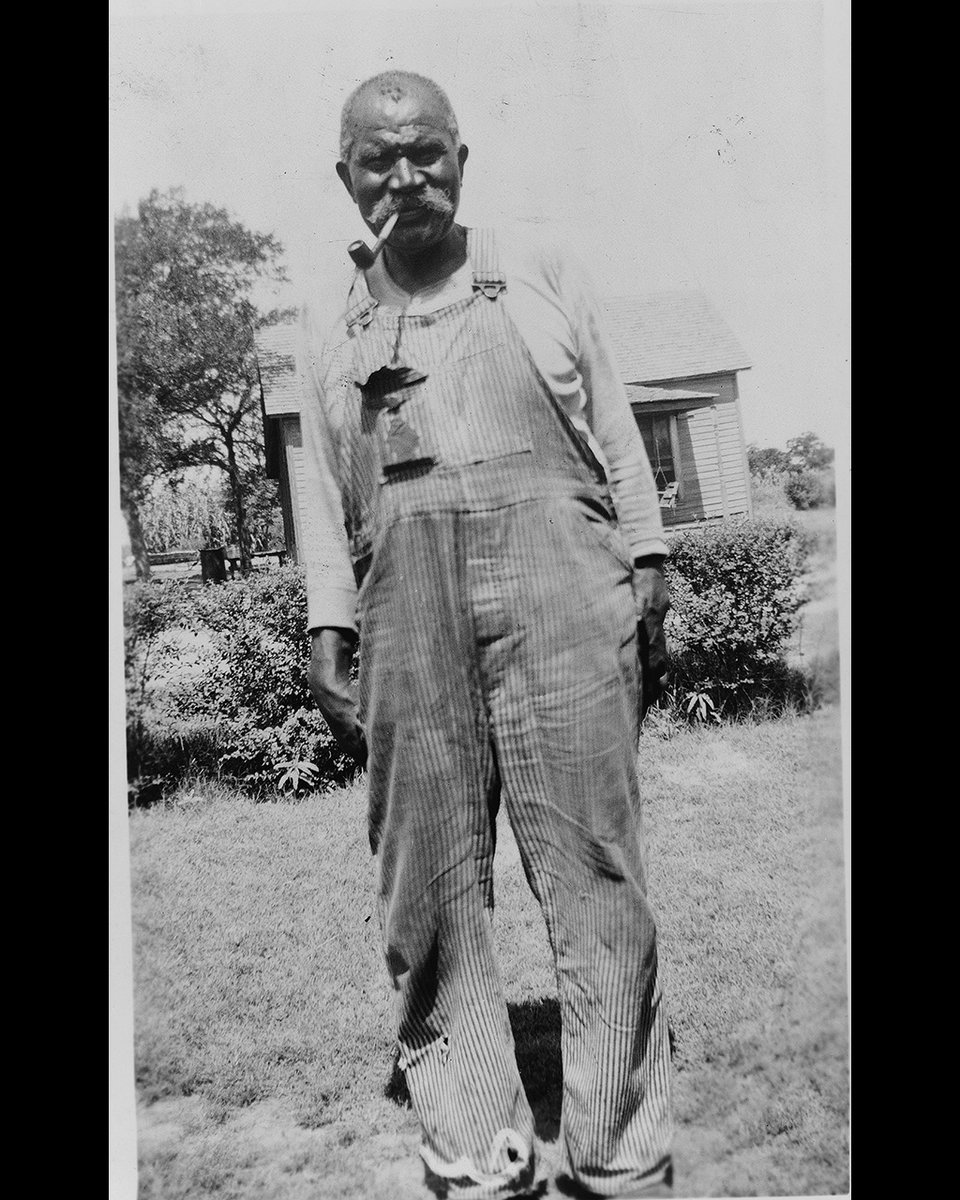
The Texas Quote of the Day is the testimony of ex-slave James Cape, who was more than 100 years old when he was interviewed in Fort Worth in 1937. It is written in his vernacular:
"“I’s bo’n in yonder southeast Texas and I don’ know what month or de year for sho’, but ‘twas more dan 100 years ago. My mammy and pappy was bo’n in Africa, dats what dey’s tol’ me. Dey was owned by Marster Bob Houston and him had de ranch down dere, whar dey have cattle and hosses.
“When I’s old ‘nough to set on de hoss, dey larned me to ride, tendin’ hosses. ‘Cause I’s good hoss rider, dey uses me all de time gwine after hosses. I goes with dem to Mexico. We crosses de river lots of times. I ‘members once when we was a drivin’ ‘bout 200 hosses north’ards. Dey was a bad hail storm comes into de face of de herd and dat herd turns and starts de other way. Dere was five of us riders and we had to keep dem hosses from scatterment. I was de leader and do you know what happens to me if my hoss stumbles? Right dere’s whar I’d still be! Marster give me a new saddle for savin’ de hosses.
“One day Marster Bob comes to me and says, ‘Jim, how you like to jine de army?’ You see, de war had started. I says to him, ‘What does I have to do?’ And he says, ‘Tend hosses and ride ‘em.’ I was young den and thought it would be lots of fun, so I says I’d go. So de first thing I knows, I’s in de army away off east from here, somewhar dis side of St. Louis and in Tennessee and Arkansas and other places. I goes in de army ‘stead of Dr. Carroll.
“After I gits in de army, it wasn’ so much fun, ‘cause tendin’ hosses and ridin’ wasn’ all I does. No, sar, I has to do shootin’ and git shooted at! One time we stops de train, takes Yankee money and lots of other things off dat train. Dat was way up de other side of Tennessee.
“You’s heard of de battle of Independence? Dat’s whar we fights for three days and nights. I’s not tendin’ hosses dat time. Dey gives me a rifle and sends me up front fightin’, when we wasn’ running’. We does a heap of runnin’ and dat suits me. I could do dat better’n advance. When de order comes to ‘treat, I’s all ready.
“I gits shot in de shoulder in dat fight and lots of our soldiers gits killed and we loses our supply, jus’ leaves it and runs. ‘Nother time we fights two days and nights and de Yankees was bad dat time, too, and we had to run through de river. I sho’ thought I’s gwine git drowned den. Dat’s de time we tries to git in St. Louis, but de Yankee mans stop us.
“I’s free after de war and goes back to Texas, to Gonzales County, and gits a job doin’ cowboy work for Marster Ross herdin’ cattle. And right dere’s whar I’s lucky for not gittin’ in jail or hanged. It was dis way: I’s in town and dat man, Ross, says to me, ‘I unnerstan’ you’s a good cowhand,’ and he hires me and takes me way out. No house for miles ‘fore we comes to de ranch with cattle and I goes to work. After I’s workin’ a while, I wonders how come dey brings in sich fine steers so often and I says to myself, ‘Marster Ross mus’ have heaps of money for to buy all dem steers.’ Dey pays no ‘tention to de raisin’ of cattle, jus’ brings ‘em in and drives dem ‘way.
“One time Marster Ross and six mens was gone a week and when dey comes back, one of ‘em was missin’. Dey had no steers dat time and dey talks ‘bout gittin’ frusterated and how one man gits shot. I says to myself, ‘What for was dey chased and shot at?’ Den I ‘members Marster Bob Houston done tol’ me ‘bout rustlers and how dey’s hanged when dey’s caught, and I knows den dat’s how come all dem fine steers is driv in and out all de time. But how to git ‘way, dere’s de puzzlement. I not know which way to go and dere’s no houses anywhere near. I keeps gittin’ scarter, and ever’ time somebody comes, I thinks its de law. But Marster Ross drives de cattle north and I says to him, ‘I’s good hand at de drive. Kin I go with you nex’ time you goes north?’ And not long after dat we starts and we gits to Kansas City. After Marster Ross gets shut of de critters, he says. ‘We’ll res’ for couple days, den starts back.’ I says to me, ‘Not me.'
“I sneaks ‘way and was settin’ on a bench when ‘long comes a white man and he’s tall, had dark hair and was fine lookin’. He says to me, ‘Is you a cowhand?’ So I tells him I is, and he says he wants a hand on his farm in Missouri and he says, ‘Come with me.’ He tells me his name was James and takes me to his farm whar I tends cattle and hosses for three years and he pays me well. He gives me more’n I earns. After three years I leaves, but not ‘cause I larned he was outlaw, ‘cause I larned dat long time afterwa’ds. I’s lonesome for Texas and dat’s how I comes to Fort Worth and here’s whar I’s stayed ever’ since.
“I’s married ‘bout 40 years ago to a woman dat had eight chillens. We sep’rated ‘cause dem chillens cause arg’ments. I can fight one, but not de army."
Shown here: James Cape on June 5, 1937